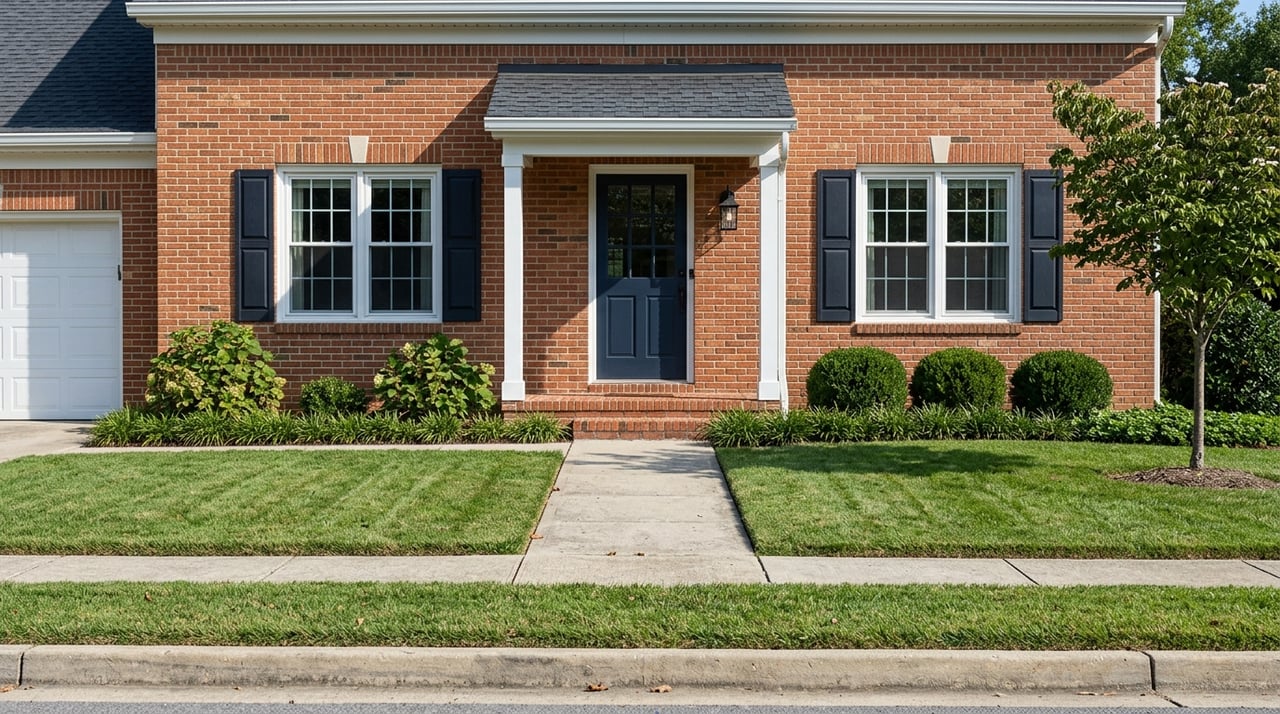
Is the Richmond West End Lifestyle Right for You?
June 11, 2026
June 11, 2026
If you want more space without feeling cut off from Richmond, the West End often lands in the sweet spot. Many buyers moving across town or relocating to the area want a quieter, more suburban day-to-day routine, but they still want easy access to jobs, dining, museums, and downtown events. That is exactly why the West End gets so much attention. In this guide, you’ll get a practical look at what life here really feels like, what trade-offs to expect, and why so many people see it as suburban living with city access. Let’s dive in.
In everyday terms, Richmond’s West End is best understood as the western Henrico and Richmond corridor around Willow Lawn, Staples Mill, Short Pump, and nearby shopping and employment areas. It is less about one single neighborhood and more about a connected stretch of communities, retail hubs, and commuter routes that tie suburban neighborhoods to the city.
That corridor-based feel shows up in how residents move through the area. GRTC’s Pulse includes West End stations at Willow Lawn and Staples Mill West End, which reinforces the idea that the West End is experienced as a linked part of the metro rather than an isolated suburb.
The overall feel is also more suburban than city living. Henrico County has a population density of 1,431.0 people per square mile, compared with 3,781.6 in Richmond city. Henrico also has a higher owner-occupied housing rate at 64.5%, compared with 43.5% in the city.
For many buyers, the biggest lifestyle shift is the balance between space and density. The West End generally offers a more private, yard-friendly, and car-oriented routine than neighborhoods closer to the city core.
That does not mean it feels far away. Instead, it tends to offer a different kind of convenience. You may trade some walkability for easier parking, more residential breathing room, and neighborhoods that feel less packed together.
Henrico’s long-term redevelopment also adds to the area’s character. Places like Willow Lawn and the West Broad Street corridor blend established residential areas, older commercial strips, and newer mixed-use or retail nodes. That mix gives the West End a more layered feel than a brand-new suburb.
West End living is often built around several convenience hubs instead of one central main street. That means your errands, dining, and weekend plans may happen across a few major destinations rather than in one fully walkable district.
Short Pump Town Center alone has more than 140 shops, restaurants, and entertainment options. The Shops at Willow Lawn lists more than 30 places to shop, and Regency says it has more than 80 stores. For many residents, that creates a practical rhythm where daily needs are close by, even if you are usually driving between stops.
This setup works well if you value efficiency and variety. You can knock out errands, meet friends for dinner, or spend part of a weekend shopping without heading into downtown Richmond.
The West End’s biggest lifestyle perk may be how easily it connects you back to the city. If you live near the Pulse corridor, you have a direct route to important downtown destinations without relying entirely on your car.
GRTC says the Pulse runs between Willow Lawn and Rockett’s Landing. Service runs every 10 minutes on weekdays during peak times and every 15 to 30 minutes at other times. GRTC also says the Pulse is fare-free.
That matters because the line connects West End stations to downtown stops including VCU Medical Center, Government Center, Convention Center, and Arts District. Main Street Station is also part of that larger access picture, making regional travel and downtown connections more convenient.
For buyers who want suburban living but still expect access to hospitals, university areas, government offices, or cultural destinations, this is a meaningful advantage. You are not choosing between suburban comfort and city connection as sharply as you might in other markets.
Another common misconception is that the West End is just a bedroom community for downtown workers. In reality, Henrico has a major employment base of its own.
Henrico reports more than 25,000 businesses and 200,000 jobs, with major sectors including health care and social assistance, retail trade, professional and technical services, finance and insurance, educational services, and construction. That broad base gives many residents options to live close to at least part of their work network.
Commute times also show that the difference between county and city living is not always dramatic. The mean commute time is 22.6 minutes in Henrico and 21.7 minutes in Richmond city. In practical terms, West End living is usually more about choosing a preferred lifestyle and location within the metro than about cutting commute time in half.
If you are comparing the West End with Richmond city, it helps to set realistic price expectations. A more suburban setting does not automatically mean a much lower home value.
According to Census data, the median owner-occupied home value is $359,200 in Henrico and $353,000 in Richmond city. That is a fairly close spread. In other words, buyers are often paying for a different home style, lot pattern, and neighborhood feel rather than a dramatic discount.
That is especially important if you are relocating from another area and assuming suburban equals cheaper. In the West End, the value often comes from the lifestyle itself: more space, established neighborhoods, shopping access, and a location that still keeps you tied into the wider Richmond region.
Outdoor amenities are a big part of what makes the West End appealing. If you want room to spread out, walk, play, or spend time outside without leaving your part of town, there are strong options nearby.
Short Pump Park includes a dog park, spray fountains, athletic fields, play equipment, picnic facilities, and a restored 1902 schoolhouse. Deep Run Park offers ponds, walkways, playgrounds, open space, a gazebo, a recreation center, a fitness center, and a pump track.
These kinds of amenities shape daily life in a very real way. They give you places for exercise, casual outings, and weekend routines that support a more active suburban lifestyle.
One of the best things about West End living is that suburban does not have to mean disconnected. Richmond’s cultural side remains close enough to be part of your regular routine.
The city is known for its arts scene, museums, and restaurant options. Nearby cultural anchors include the Virginia Museum of History & Culture in the Museum District and the Virginia Museum of Fine Arts, which is open 365 days a year and offers free general admission.
For many residents, that mix is the real draw. You can enjoy a quieter residential setting most days, then head into the city for a museum visit, dinner, or event without making it feel like a major outing.
If schools are part of your move, the most important thing to know is that school assignment should always be checked by address. Henrico County Public Schools serves the county through 74 schools and innovative program centers, but the division says its school locator is only a guide.
Official assignments can change and should be confirmed for a specific property. If you are home shopping with school boundaries in mind, this is one of the most important details to verify early in the process.
The West End tends to work well for buyers who want a suburban-leaning lifestyle without giving up regional access. That can include:
The main trade-off is that outside the Pulse corridor, life is more car-dependent and less walkable than in Richmond’s urban core. For many buyers, that is a worthwhile exchange. The key is making sure your daily routine matches the area’s layout and rhythm.
Richmond’s West End offers a lifestyle that feels distinctly suburban, but it stays closely tied to the city. You get more space, strong retail convenience, useful park amenities, and access to a large regional job base, all while keeping downtown Richmond within reach.
If you are deciding between city living and a more suburban setup, the West End is worth a close look because it does not force an all-or-nothing choice. It gives you room to spread out while keeping you connected to the parts of Richmond that matter most to your daily life.
If you want help narrowing down the right West End area for your goals, Terri Brennan can help you compare neighborhoods, commute patterns, and home options with practical local insight.
Stay up to date on the latest real estate trends.




Get assistance in determining current property value, crafting a competitive offer, writing and negotiating a contract, and much more. Contact me today.