
How to Prepare Your Short Pump Home for Sale Online
May 7, 2026
May 7, 2026
What happens before a buyer ever walks through your front door can shape whether they schedule a showing at all. In Short Pump, where buyers are highly connected and homes often move quickly, your online listing has to do a lot of heavy lifting from the very first photo. If you want your home to stand out on a phone screen and make a strong first impression, a few smart preparation steps can make a real difference. Let’s dive in.
If you are selling in Short Pump, you are not just preparing for in-person showings. You are also preparing for a digital first showing, because many buyers compare homes online long before they decide what to visit.
That matters even more in Henrico County, where 96.1% of households have a computer and 92.6% have broadband access. Buyers here are well equipped to scroll, compare, zoom in on photos, and move on quickly if a listing feels incomplete or hard to understand.
The pace of the market adds pressure to that first impression. In March 2026, Henrico County had 1,133 active listings and a median of 29 days on market, while Short Pump homes averaged about 30 days on market with a median sale price of $458,085. In a market like this, your launch matters.
When buyers use the internet to search for a home, the listing details that help most are clear. National survey data shows 81% found photos very useful, 77% said the same about detailed property information, 57% valued floor plans, and 38% pointed to virtual tours.
That tells you something important. Buyers are not just looking for a pretty thumbnail. They also want enough information to understand the layout, room count, and flow of the home before they take the next step.
Because many buyers search on mobile devices, your listing has to communicate quickly. The photos need to feel bright and inviting, and the description needs to answer basic questions without making buyers work for it.
Before photos, staging, or marketing, your home needs a reset. This is the foundation for everything that follows, and it usually starts with the items agents recommend most often.
According to NAR’s 2025 staging report, the most common pre-listing recommendations were decluttering the home, entire-home cleaning, and improving curb appeal. Minor repairs, carpet cleaning, depersonalizing, touch-up painting, and landscape work also ranked high.
For most Short Pump sellers, that means focusing on simple improvements that make the home feel clean, cared for, and easy to picture living in. You do not need to make your home look generic. You want it to feel move-in ready and easy to understand online.
Decluttering is not just about tidiness. It helps rooms look larger, brighter, and more functional in listing photos.
Remove excess furniture that makes a room feel tight or awkward. Pack away personal photos, hobby collections, and highly specific decor so buyers can focus on the space itself rather than your belongings.
A camera sees more than you think. Dust, streaks, dull floors, and buildup around sinks or baseboards can stand out quickly in high-resolution photos.
Before photography day, focus on kitchens, bathrooms, windows, floors, baseboards, and entry areas. A clean home reads as better maintained, and that impression carries into both online views and in-person showings.
Small issues can distract buyers when they view your listing online. Chipped paint, burned-out bulbs, loose hardware, worn caulk, and dated switch plates can suggest deferred maintenance, even when the fix is minor.
Take care of the visible items first. These details may seem small in person, but they are often easy to spot in photos, especially when buyers are comparing multiple homes side by side.
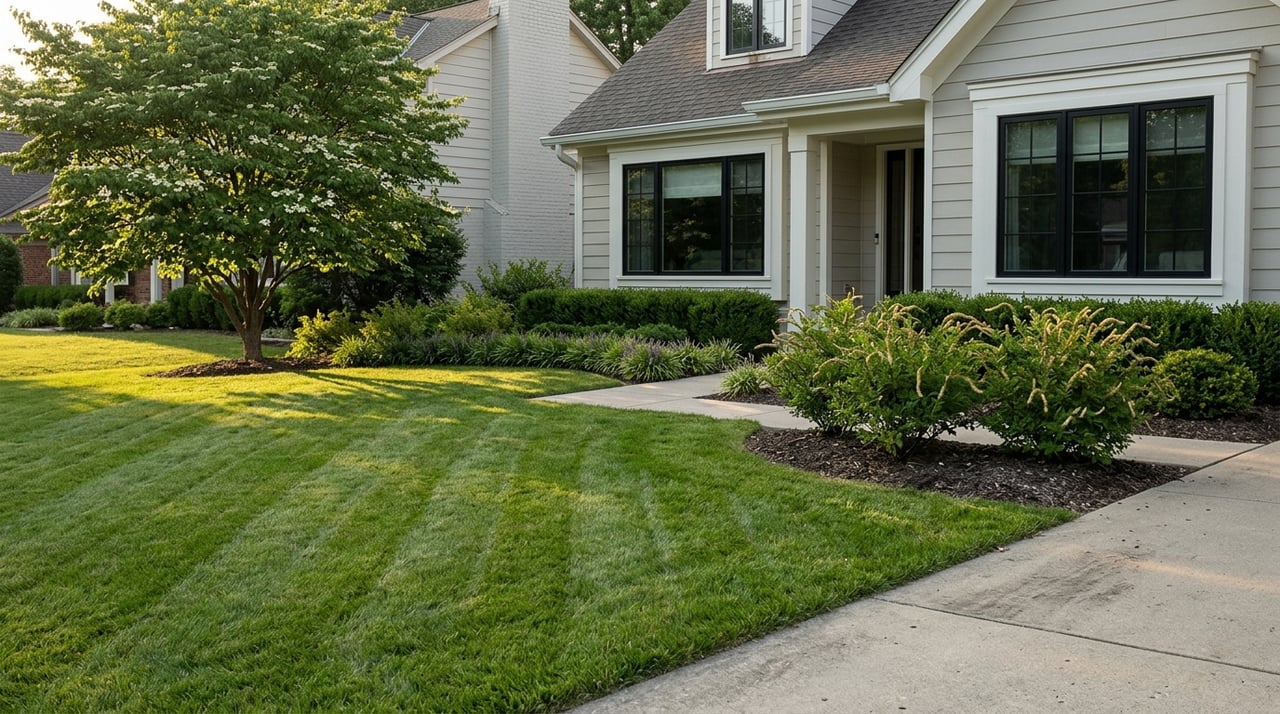
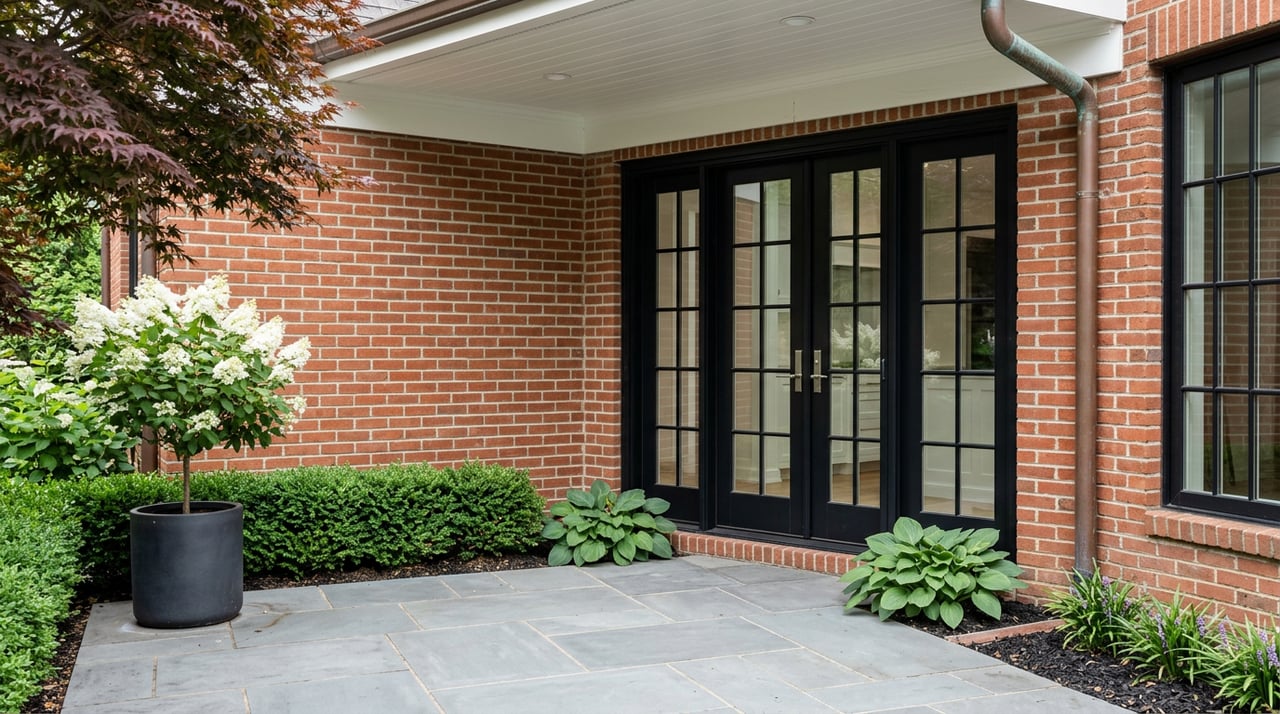
Your exterior photo often does the job of getting buyers to click. If the front of the home looks neat, bright, and cared for, buyers are more likely to keep going.
That is why curb appeal deserves attention before the listing goes live. Tidy the yard, edge the walkways, refresh mulch if needed, and make sure the front entry looks clean and welcoming.
In many cases, the first exterior shot sets the tone for the whole listing. If that image feels polished, the rest of the photo sequence has a stronger chance to hold a buyer’s attention.
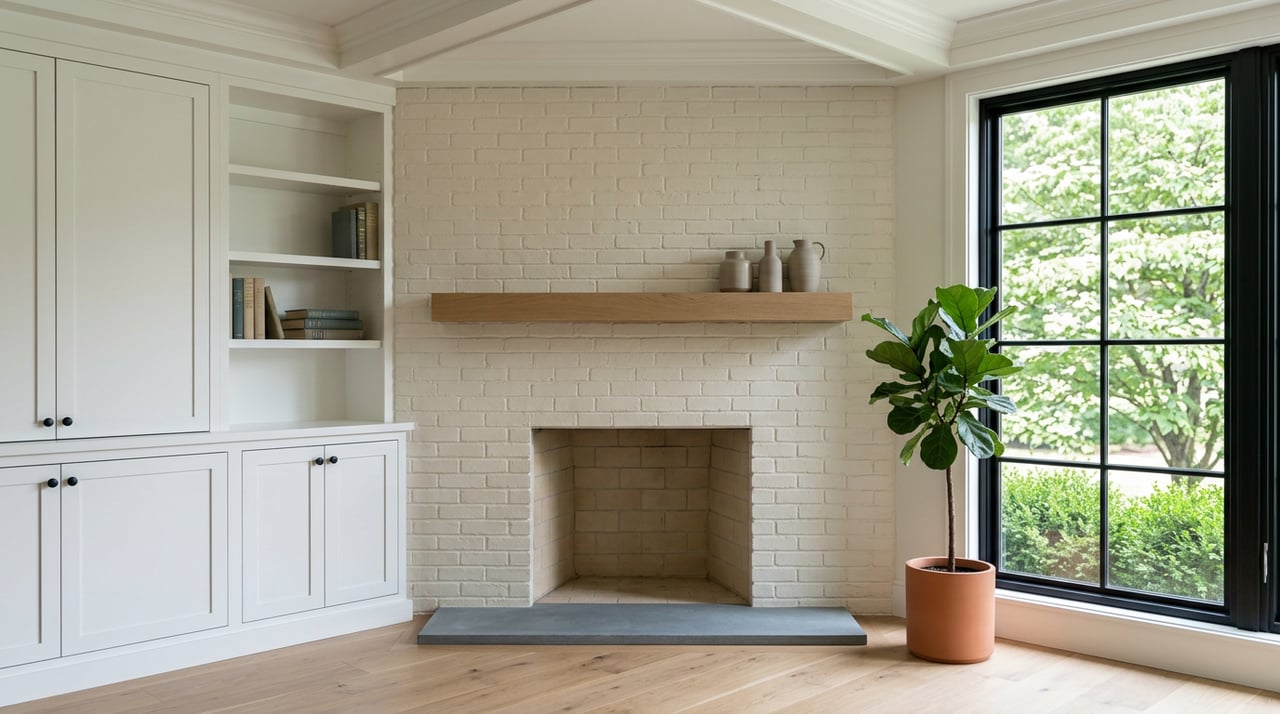
Lighting is one of the easiest ways to improve how your home shows online. Bright rooms tend to photograph better, feel cleaner, and look more inviting on screen.
Open blinds and curtains where appropriate, replace dim or mismatched bulbs, and make sure each room has even lighting. This is not about expensive upgrades. It is about helping each space read clearly in photos.
Staging works best when it helps buyers see the purpose and scale of each room. In Richmond Metro, buyer activity has been strong in 3-bedroom and 4-bedroom-or-more homes, so room labeling and layout clarity can be especially helpful.
That means each room should have a clear use. A spare bedroom should look like a bedroom, an office should feel intentional, and awkward corners should not be left open to guesswork.
NAR’s research also shows staging can support stronger outcomes. Some sellers’ agents reported increased offered value, while others saw shorter time on market. Even when the impact varies, staged and well-prepared homes tend to create a more confident first impression.
Professional photos are one of the most important parts of your online launch. They do more than document the house. They shape how buyers feel about it in the first few seconds.
The order of those photos matters too. Your first image, your thumbnail, and the sequence that follows should all tell the same story: bright, clean, functional, and ready to tour.
Try to think of your listing as a guided tour on a screen. Buyers should be able to move from exterior to main living spaces to kitchen to bedrooms and baths without confusion.
Floor plans matter to buyers, especially when they are comparing several homes over a period of weeks. Since 57% of online buyers found floor plans very useful, clarity around the home’s layout can help your listing stand out.
Make sure rooms are labeled accurately and the listing information is complete. If buyers can understand how the home lives before they visit, they are more likely to feel confident booking a showing.
Photos draw buyers in, but detailed property information helps them stay engaged. Buyers want to know the basics quickly, including room count, layout, and key features.
That means your listing should not leave gaps. A complete, well-organized description can make the difference between a buyer scrolling past and a buyer deciding your home is worth seeing in person.
The strongest online listings usually do not come together by accident. They follow a clear sequence.
For most Short Pump sellers, the best order looks like this:
This approach helps you avoid a rushed launch. In a market where homes are often moving in about a month, you want your first days online to count.
The goal is not to make your home look overly styled or unrealistic. The goal is to help buyers understand the home quickly and feel excited to see more.
In Short Pump, where many buyers begin on a screen and compare homes carefully, presentation matters. Clean spaces, neutral rooms, strong photos, and complete details all work together to turn online interest into real showings.
If you are thinking about selling and want a practical plan for getting your home market-ready, Terri Brennan can help you prepare, position, and present your Short Pump home with a thoughtful local strategy.
Stay up to date on the latest real estate trends.


Get assistance in determining current property value, crafting a competitive offer, writing and negotiating a contract, and much more. Contact me today.