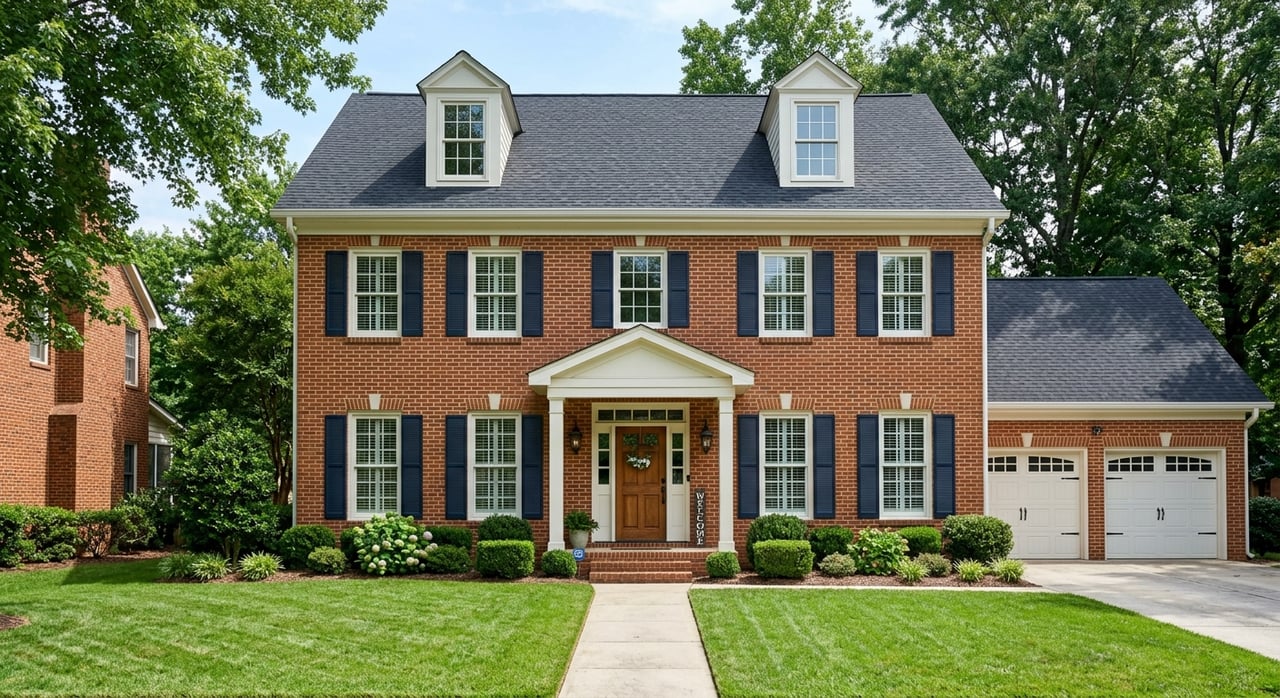
Is Richmond Rental Property Investment Right for You?
April 2, 2026
April 2, 2026
If you are thinking about buying a rental property in Richmond, you are asking the right question. A market can look promising on the surface, but strong investing usually comes down to neighborhood fit, carrying costs, and how well the property matches local renter demand. In Richmond, those details matter a lot, and understanding them can help you avoid expensive surprises. Let’s dive in.
Richmond has several signs that support rental demand. In the 2020-2024 American Community Survey, Richmond city had a median gross rent of $1,372 and an owner-occupied housing rate of 43.5%, which points to a more renter-heavy market than nearby counties like Henrico and Chesterfield. The city also reached 233,655 residents in 2024, up 3.1% from April 2020, according to U.S. Census QuickFacts.
Recent rent reports also show a market that has firmed. Zillow’s December 2025 rent report placed Richmond metro’s typical rent at $1,651, up 3.1% year over year. At the same time, the research report notes that Richmond metro vacancy fell from 8.2% in 2024 to 5.2% in 2025, which puts it near the low-vacancy end of what is often considered a balanced rental market.
For you as an investor, that means Richmond can offer real opportunity. It also means you should be careful not to treat the entire region like one uniform market.
One of Richmond’s biggest strengths is its broad economic base. The city highlights major industries such as finance, life sciences, government, education, manufacturing, and transportation, and Richmond’s leading employers list includes companies like Dominion Energy, CarMax, Altria, Markel, Owens & Minor, and Genworth.
That kind of employer mix matters because it can support rental demand across different price points and property types. Instead of depending heavily on one industry, Richmond draws renters with a range of budgets, job types, and housing preferences.
For a small investor, that can make Richmond feel more stable than a market tied too closely to one major employer or sector. It does not remove risk, but it can provide a stronger foundation for long-term demand.
The best rental investment in Richmond often depends less on the city as a whole and more on choosing the right submarket. Different areas attract different renters, and the property that performs well in one neighborhood may struggle in another.
The Museum District and Carytown stand out as walkable, character-driven rental areas. According to Richmond Magazine’s neighborhood guide, many homes in the Museum District were built between 1911 and 1930, and the area sits close to Carytown’s shops, restaurants, and nightlife.
These neighborhoods often favor updated small apartments, converted rowhouses, and rentals that offer charm and location. If you are considering older housing stock here, strong renovation planning and realistic maintenance reserves are important.
Scott’s Addition has evolved into a lifestyle-focused district. Visit Richmond describes it as the region’s craft beverage center, with breweries, cideries, distilleries, restaurants, and loft conversions.
That points to likely demand from renters who value proximity to nightlife, amenities, and flexible urban living. In practical terms, units with parking, modern finishes, and easy access to nearby attractions may have a stronger appeal here.
Westhampton, near Libbie and Grove, offers a different rental profile. Visit Richmond’s Westhampton overview highlights its mix of stores, restaurants, bakeries, and salons, along with convenient access to downtown.
For investors, this usually suggests a higher price point on the purchase side. It may also support demand for house-scale rentals and townhomes with quality finishes and convenience-focused locations.
Western Henrico and Short Pump fit a more suburban rental story. Short Pump Town Center features more than 140 shops, restaurants, and entertainment options, and the research report notes that a large share of new multifamily construction is concentrated in Western Henrico.
That combination can favor newer apartments, townhomes, and well-kept single-family rentals. If your investing style leans toward lower-maintenance suburban product, this part of the market may be worth a closer look.
Richmond is not a one-price rental market, and that matters when you run the numbers. CBRE’s Richmond multifamily figures for Q2 2025 reported 96.0% occupancy and average rent of $1,593 per unit.
But submarket differences are significant. The research report notes that Thalhimer’s Q4 2025 data showed Western Henrico vacancy at 7.2% with $1,625 average effective rent, while the Near West End posted 15.3% vacancy with $1,827 average effective rent.
The takeaway is simple: you should not underwrite a Richmond rental using metro-wide averages alone. A property’s exact location, age, finish level, and nearby competition can have a major effect on cash flow and leasing speed.
Every market has trade-offs, and Richmond is no exception. Before you buy, it helps to understand the risks that can affect returns.
Much of Richmond’s most attractive rental inventory is older. In areas like the Museum District, housing character can be part of the appeal, but older properties often come with more repairs, renovation needs, and ongoing capital expenses.
The research report also notes that the city has some of the oldest infrastructure in the region. For you, that may mean more due diligence, larger repair reserves, and a more careful inspection process before closing.
If you are shopping in the West End corridor, new supply deserves close attention. The research report states that more than 43% of units currently in development are in Western Henrico, with multiple large deliveries planned.
That can create more competition for newer Class A rentals. In some cases, a smaller, well-located, stabilized property may hold up better than a unit competing directly with brand-new projects offering concessions.
Regulation is another factor to keep on your radar. In November 2025, Richmond City Council approved a Residential Rental Inspection Program that can create rental inspection districts in areas where units are blighted, deteriorating, or need inspection.
That does not mean every rental will be affected the same way, but it does raise the value of good property oversight. If you are an out-of-town or hands-off investor, local management and code compliance become even more important.
Carrying costs can change dramatically depending on which side of a county line your property sits. According to the research report, Richmond’s FY 2026 real estate tax rate is $1.20 per $100 of assessed value, while Henrico County’s approved rate is $0.83 per $100.
That gap can materially affect your monthly and annual cash flow. A property that looks similar on paper may perform very differently after taxes are factored in.
For many buyers, the answer is yes, potentially, but only if you stay disciplined. Richmond offers population growth, steady renter demand, and a diverse employment base, which are all helpful signs for a rental market.
At the same time, success here often depends on buying the right product in the right pocket of the market. Walkable city neighborhoods may reward character and location, while Western Henrico and Short Pump may better suit investors who want newer suburban homes, townhomes, or lower-maintenance rentals.
If you are buying your first or second investment property, it helps to focus on the basics:
Before you move forward on any property, ask yourself a few simple questions:
Those questions can help you separate a property that merely looks attractive from one that truly fits your goals.
A smart rental purchase in Richmond is usually not about chasing the highest advertised rent. It is about choosing a location and property type that make sense together, then buying with a clear understanding of costs, competition, and long-term appeal.
If you are weighing rental opportunities in Richmond, Henrico, or the West End, working with someone who understands street-level differences can make the process much clearer. Terri Brennan offers practical local guidance for buyers, relocators, and investors who want a more informed path forward.
Stay up to date on the latest real estate trends.








Get assistance in determining current property value, crafting a competitive offer, writing and negotiating a contract, and much more. Contact me today.