Pricing your Short Pump home right is the single biggest lever you control. If you start too high, you risk sitting on the market and leaving money on the table later. If you start too low without a plan, you could miss qualified buyers who would have paid more. This guide gives you a clear, local roadmap to set a confident list price, read your agent’s recommendation, and avoid common Western Henrico pitfalls. Let’s dive in.
Short Pump market snapshot (date-stamped)
Local pricing moves with the data you use and the dates you quote. In Short Pump, Redfin’s January 2026 snapshot shows a median sale price around $537,500 and a median days on market near 49 days. Realtor.com’s October 2025 profile shows a median sale price near $550,000, a median price per square foot of about $252, roughly 111 active listings, and an average days on market near 39 days. These differences reflect reporting windows and methods, so treat them as snapshots and always pair numbers with their dates.
What this means for you: use current, neighborhood-level comps when you price. Twin Hickory, West Broad Village, and nearby enclaves can trade at different speeds and price points. A strong CMA will localize your number, then adjust for condition and features.
How agents set your list price
Agents build a Comparative Market Analysis to anchor your list price. A good CMA looks at sold comps first, then active and pending listings, and it layers in per square foot benchmarks, days on market, and sale-to-list ratios. If you want a deeper primer on how a CMA should be structured, review this HousingWire guide to CMAs.
What sold comps tell you
Closed sales carry the most weight because they show what buyers actually paid. The best comps are recent and similar in size, beds and baths, lot type, age, and finish level. If sold prices consistently sit below list prices, buyers have leverage. If sales close above list, demand is strong and supports a market or slightly aggressive launch price.
Active and pending listings
Active listings are your current competition. They set buyer expectations for features and finish at each price tier. Pending listings reveal where the market is moving. Fast pendings near your target range are a green light to price at or above the mid-range. Your CMA should explain why specific actives and pendings matter for your home.
Key market metrics to watch
Days on market and the sale-to-list ratio help you choose between market pricing and a stretch price. Shorter DOM and higher sale-to-list ratios often support a stronger ask. Your agent should show these metrics for your direct neighborhood and price band, not just county-wide figures.
Short Pump micro factors that move price
Proximity to Short Pump Town Center
Short Pump Town Center at 11800 W Broad St is a major lifestyle hub near I-64 access. Homes that highlight walkable or short-drive access to this retail node often see stronger showing activity and shorter marketing times. Learn more about the center on the Short Pump Town Center site.
School assignments and verification
Many buyers consider specific school assignments when comparing homes. Several neighborhoods in the area feed Short Pump Middle and Deep Run High, but boundaries can change. Always verify the current assignment for your address and reference official profiles for neutral context, such as Short Pump Middle and Deep Run High. Confirming the exact feeder pattern for your property helps you price and market with accuracy.
New construction and condo competition
Metro Richmond, including Henrico, saw an uptick in condo and townhouse inventory and new-build permits in 2024 and 2025. Resale sellers near active corridors or townhouse enclaves may compete with fresh finishes and builder incentives like rate buydowns or design credits. See local reporting on these trends in Axios Richmond’s coverage, and consider how incentives might shape your pricing and concessions.
What you can control before a valuation
You can improve your pricing power and reduce surprises by preparing well before your agent’s visit.
High-ROI prep moves
- Gather documentation. Bring your deed, latest tax bill, HOA documents, recent utility and insurance records, permits for remodels, and receipts for upgrades. Clear records help your agent verify value and avoid double-counting.
- Consider a pre-listing inspection. Finding issues early reduces renegotiation risk and lets you choose between fixing or offering credits. Learn the benefits from Home Inspection Insider.
- Stage and hire pro photography. Staged homes often sell faster and can improve offer strength. At a minimum, declutter, deep clean, neutralize paint, and invest in great photos. See a staging overview from Florida Realtors.
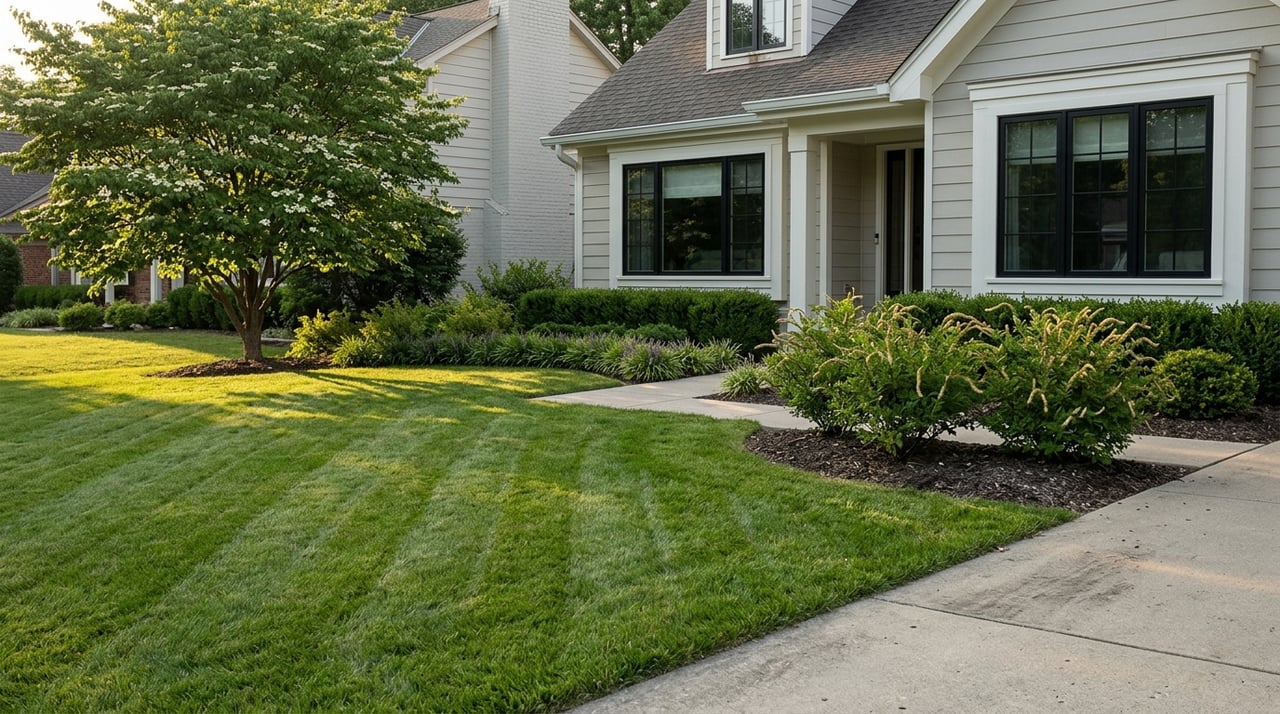
- Tackle targeted repairs and curb appeal. Address paint touchups, lighting, landscaping, and small kitchen or bath fixes. Reserve big remodels for clear defects or where the neighborhood supports the spend.
Pre-valuation checklist
- Compile permits and receipts for kitchen, bath, roof, and HVAC work from the last 5 to 10 years.
- Collect HOA covenants, recent budgets, and meeting minutes if applicable.
- Order a pre-list home inspection and, for older homes or wooded lots, consider a WDO report. Bring the report or summary.
- Print a recent utility bill and note any recent property assessment changes.
- Estimate your monthly carry costs. Having mortgage, taxes, HOA, and utilities ready helps your agent build a realistic net sheet.
How to read your agent’s pricing recommendation
Ask for a written CMA that shows the sold comp addresses, sale dates, and prices, plus a clear adjustment rationale for differences in size, age, finish level, basement, and garage type. Request the active and pending listings used for context and why they are direct competition. Ask for the sale-to-list ratio and median days on market for your immediate neighborhood. Good agents provide a pricing band with a launch plan and a fallback plan for the first 2 to 4 weeks. For a consumer overview, see NAR’s guide to pricing your home and the HousingWire CMA walkthrough.
Smart questions to ask in your consult
- “Can you show me the three sold comps you’re weighting most and explain each adjustment?”
- “Which active or pending listings are my real competition and why?”
- “If we list at X and have no offers in two weeks, what is the next step and the percent reduction you recommend?” For a simple script, review this pricing playbook prompt.
Red flags to watch
- No local, recent sold comps or comps that are not truly similar in size or condition.
- No explanation of why a finished basement, newer roof, or updated kitchen earned a specific dollar adjustment.
- A single list price with no range, no plan for the first two weeks, and no contingency if the market response is soft.
Common Short Pump pricing mistakes
- Overpricing to test the market. This often creates a stale listing and a lower final sale after reductions. If you choose a stretch price, pair it with a clear marketing rationale and a refresh plan. A quick primer on reduction triggers is in this pricing guide.
- Ignoring new-build and condo incentives. With more attached inventory and permits in 2024 and 2025, builders may offer rate buydowns or credits. Resale sellers near these corridors should compare finishes and incentives when setting price and concessions. See Axios Richmond’s report.
- Not verifying school assignment or rezoning. Boundaries can shift, and discussions about overcrowding or rezoning surface periodically. Verify the current assignment for your address and watch local updates, like this Axios note on boundary changes.
- Skipping pre-list transparency. Surprises late in escrow lead to concessions or cancellations. A pre-list inspection gives you time to fix items or offer credits upfront. Learn more at Home Inspection Insider.
- Weak visuals and thin marketing. Short Pump buyers expect strong photos, floor plans, and clear neighborhood context. Staging and pro photography can improve speed and offers. See the staging case overview.
A 30-day pricing playbook
Two weeks before your listing appointment
- Assemble documents, permits, and receipts. Order a pre-list inspection and gather contractor bids if needed. Get quotes for staging and photography.
Consult and launch week
- Review the CMA in detail. Choose a launch price with a written fallback plan. If you have no offers within 14 days, a 3 to 5 percent reduction often signals a meaningful reset, as outlined in this simple pricing framework.
First two to four weeks on market
- Track showings, online clicks, and feedback against neighborhood DOM and sale-to-list ratios. If activity is low despite good visuals and exposure, consider a timely adjustment in the first two to three weeks rather than waiting. Keep marketing fresh with updated lead photos, headline tweaks, and renewed outreach.
When you combine a data-backed CMA, specific Short Pump micro-factors, and proactive prep, you launch with confidence. If you want a clear read on your home’s value and a plan that fits your timing, reach out to Terri Brennan for a free home valuation and a tailored pricing strategy.
FAQs
What is the right time to list a Short Pump home?
- The “right time” depends on your readiness, recent comps in your micro-area, and competition from nearby actives and new builds. Pair timing with a written CMA and a clear first-30-days plan.
How do new construction incentives affect resale pricing in Henrico?
- Builder incentives like rate buydowns can pull buyers toward new communities, so resale sellers may need sharper pricing or targeted concessions when competing near those corridors.
Should I pay for a pre-list inspection in Short Pump?
- A pre-list inspection can reduce renegotiation risk, let you pick contractors on your timeline, and support transparent marketing with reports or repair receipts.
How do school assignments impact pricing without violating fair housing rules?
- You can state verified school assignments and link to official profiles, but avoid value judgments; always invite buyers to verify boundaries with the school division.
What should I see in a strong CMA for my Short Pump home?
- Expect three or more recent, similar sold comps with documented adjustments, active and pending competition, and local metrics like DOM and sale-to-list ratio, plus a price band and fallback plan.
How soon should I reduce price if my listing is not getting offers?
- If you have solid marketing and minimal showings after about two weeks, a 3 to 5 percent reduction is a common, data-driven move paired with a fresh promotional push.